The Politics of Deceit

Every Thursday afternoon I drive to a local VA medical clinic and join a veteran writers group. One of the regular members, who never served in combat, seems obsessed with the glory of war. He can’t seem to hear enough stories from us combat vets. To listen to him, it seems that he sees war as wonderful and proof that the United States is defending and supporting democracy and freedom everywhere in the world.

Most combat vets don’t think the same. In fact, I haven’t known a combat vet yet who doesn’t question everything an elected representative or corporate CEO claims on almost any topic that leads to more profits or power for a member of the 0.1%. For some reason, being shot at by bullets, mortar rounds and rockets—not counting the threat of stepping on a land mine and getting your legs blown off—creates skeptics of most combat vets who saw action.

Now I have read for the first time in Newsweek [RECOMMENDED READING] that the POW-MIA flag was another propaganda campaign backed by President Richard Nixon to fool the American people and demonize the enemy and create justification for the Vietnam War and his illegal bombings of Cambodia and Laos that he kept secret from the U.S. Congress (National Geographic Magazine). The POW-MIA flag was originally created to embarrass President Lyndon Johnson as a way to end the war instead of turning the Communists in North Vietnam and their South Vietnamese Allies into monsters who—it turns out—in reality didn’t hold a candle to the monsters the United States and its dictator in South Vietnam were.

If the United States is a great country that supports democracy and freedom throughout the world, why have there been so many repeated lies to start wars?

It’s obvious that the Vietnamese, who fought the United States, were not doing anything different than the Vietnamese have done before when they fought for 1,000 years to be free of China’s occupation starting in 111 BC and continuing to 938 AD.

The Vietnamese also fought French occupation for decades—French Indochina was formed in October 1887. After Gia Định fell to French troops in 1859, many resistance movements broke out in occupied areas. In the north, most movements were led by former court officers and lasted decades, with Phan Đình Phùng fighting in central Vietnam until 1895. In the northern mountains, former bandit leader Hoàng Hoa Thám fought until 1911. Even the teenage Nguyễn Emperor Hàm Nghi left the Imperial Palace of Huế in 1885 with regent Tôn Thất Thuyết and started the Cần Vương (“Save the King”) movement, trying to rally the people to resist the French. He was captured in 1888 and exiled to French Algeria. By 1900 a new generation of Vietnamese were coming of age who had never lived in precolonial Vietnam. These young activists were as eager as their grandparents to see independence restored.

Then beginning in 1950, American military advisors arrived in what was then French Indochina. U.S. involvement escalated in the early 1960s and escalated dramatically after the so-called Gulf of Tonkin incident that resulted in Congress giving the U.S. president authorization to increase U.S. military presence.

I arrived in Chu Lai, Vietnam in 1965 with the 1st Marine Division’s 1st Tank Battalion. At the time we didn’t know that the Tonkin Gulf incident was exaggerated and based on a lie. The original American report blamed North Vietnam for both incidents, but eventually became very controversial with widespread claims that either one or both incidents were false, and possibly purposefully so. While four North Vietnamese sailors were claimed to have been killed and six more wounded, there were no U.S. casualties.

In 1995, former U.S. Secretary of Defense Robert McNamara met with former Vietnam People’s Army General Võ Nguyên Giáp to ask what happened on 4 August 1964 in the second Gulf of Tonkin Incident. “Absolutely nothing”, Giáp replied. Giáp claimed that the attack had been imaginary—manufactured by President Lyndon B. Johnson’s White House staff with his permission.

Then there is President G. W. Bush’s lies about Weapons of Mass Destruction in Iraq causing Congress to once again authorize another war based on more exaggerations and lies.

If you have watched the videos and read this post, are you still a deaf, dumb and blind U.S. patriot totally obedient to the elected and corporate leaders of the United States?

I wonder if you also know that similar lies and propaganda have been used for decades in the United States to destroy the labor unions of middle class workers and also demonize public school teachers—all for profit and power.

_______________________

Lloyd Lofthouse is a former U.S. Marine and Vietnam Veteran.

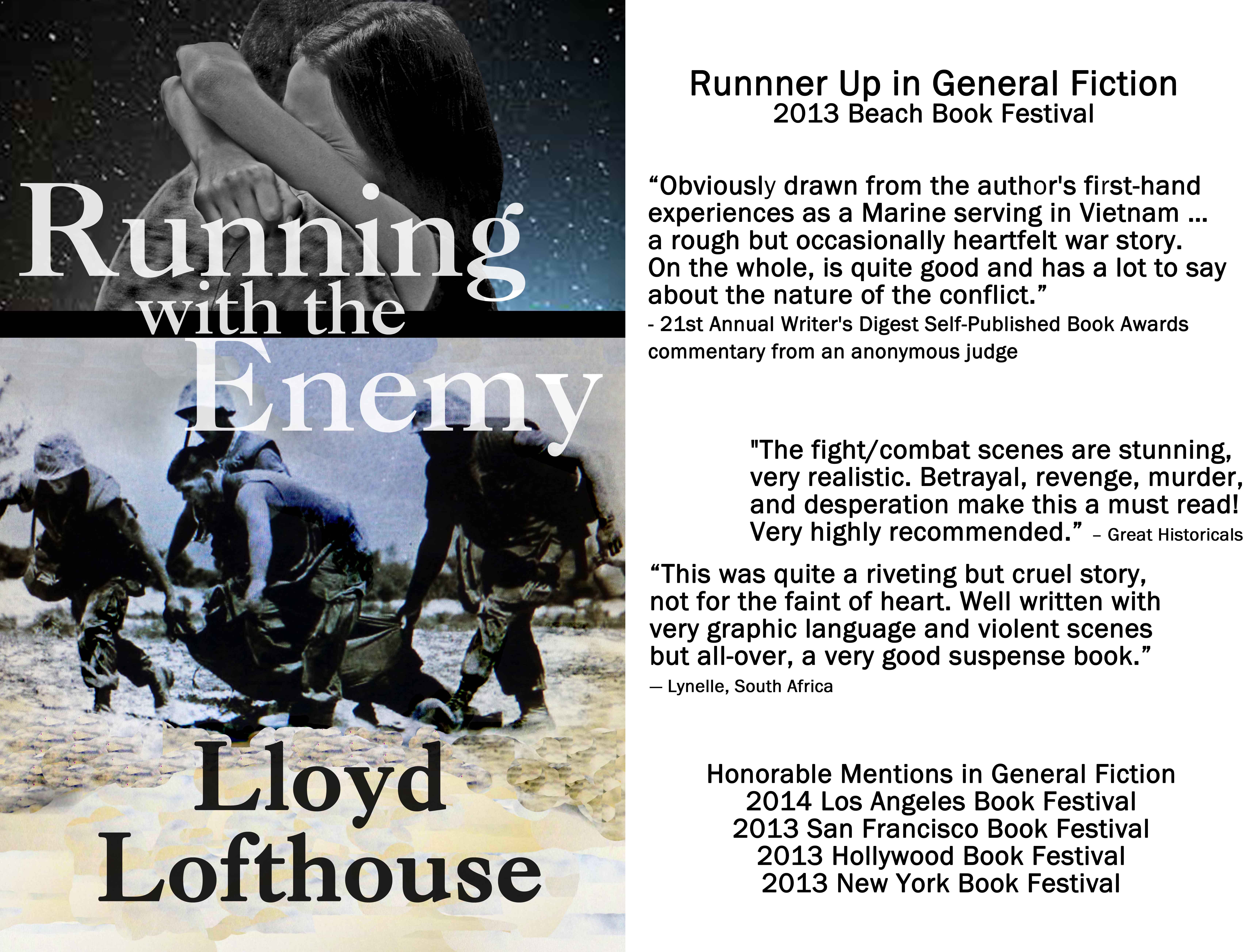
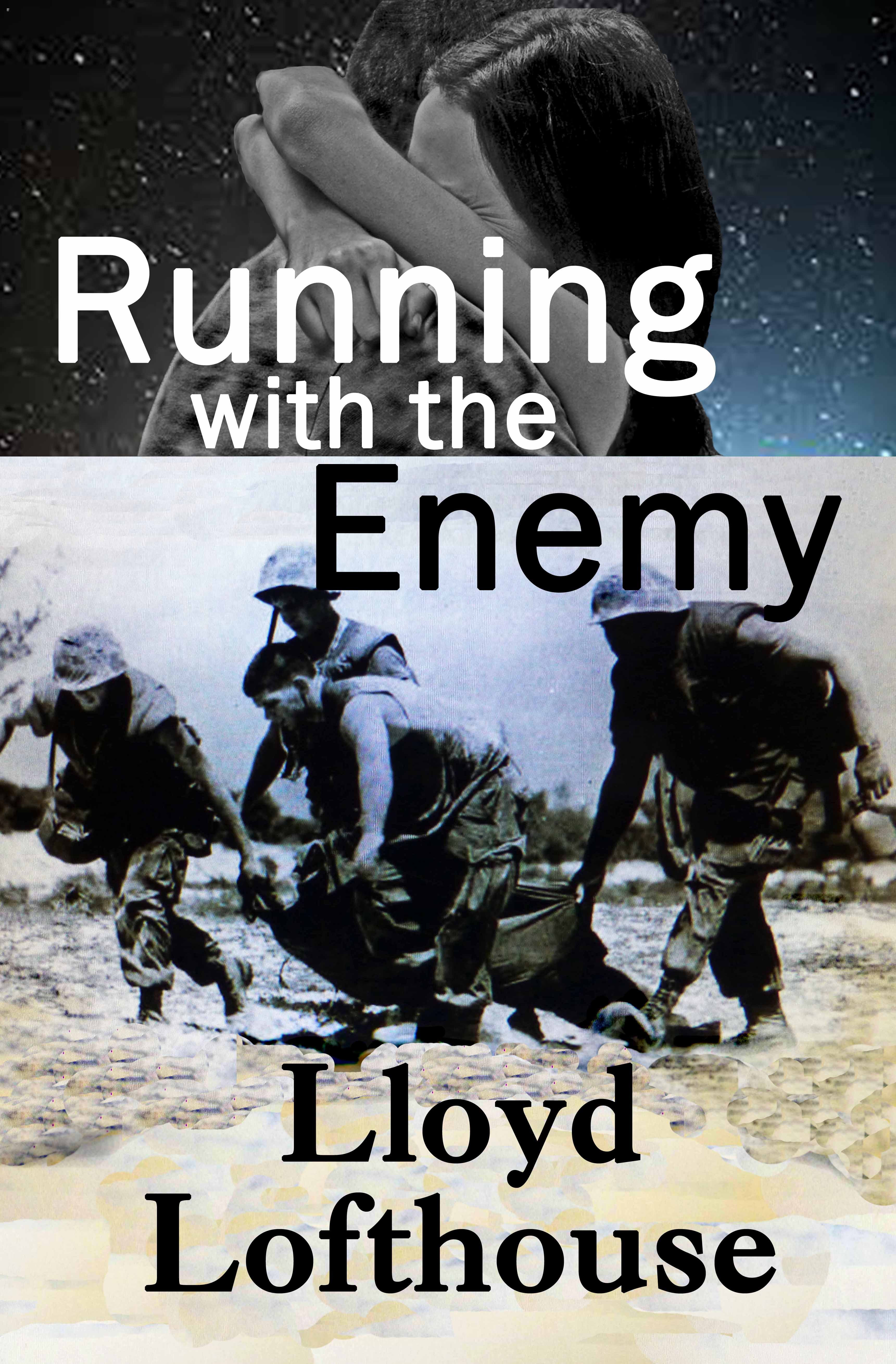
His second novel is the award winning love story and suspense-thriller Running with the Enemy. Blamed for a crime he didn’t do while serving in Vietnam, his country considers him a traitor. Ethan Card is a loyal U.S. Marine desperate to prove his innocence or he will never go home again.
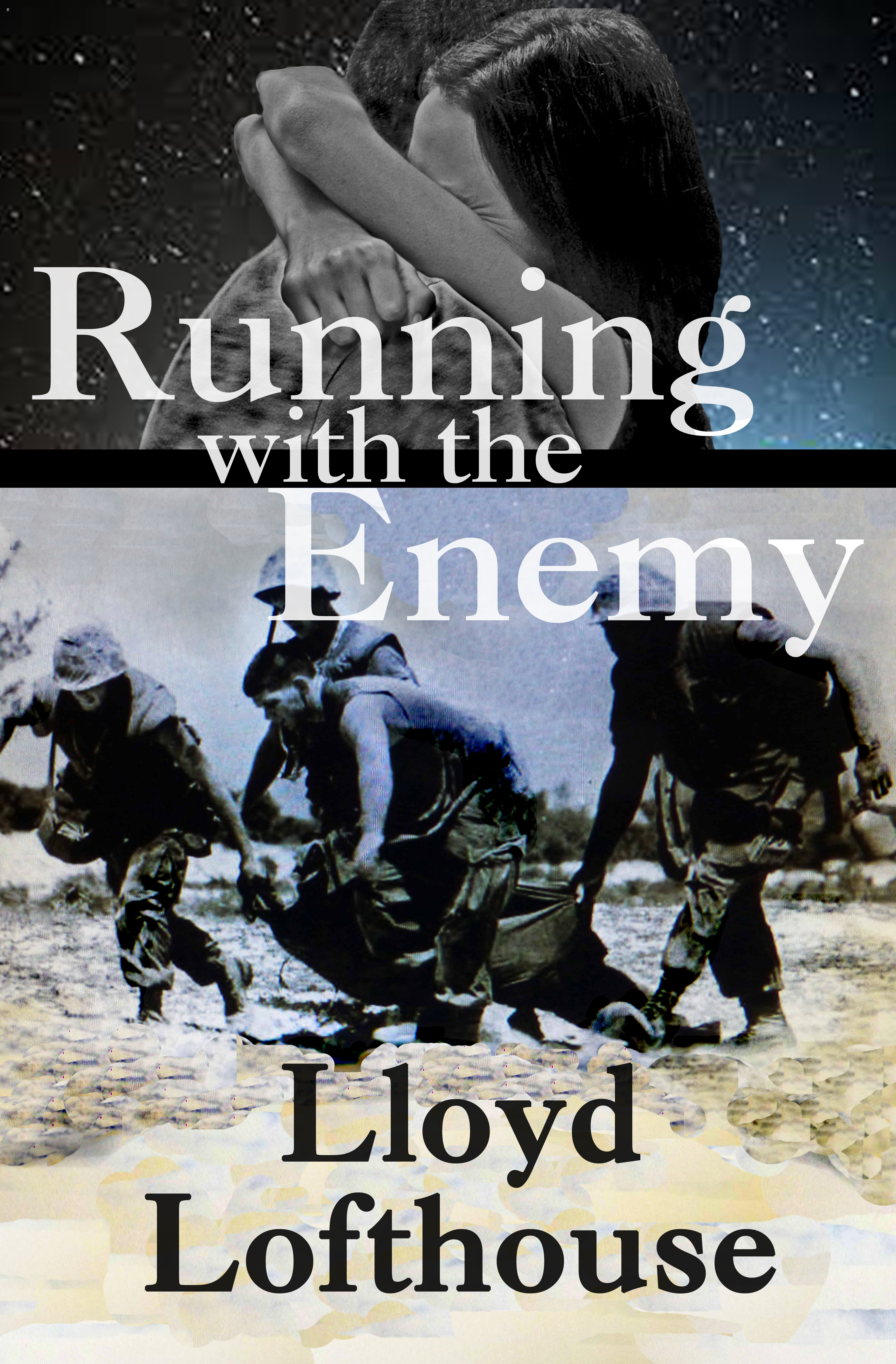
Best Choice on Jan 21 of New Cover

This is a love story that might cost the lovers everything—even their lives.

To follow this Blog via E-mail see upper left-hand column and click on “FOLLOW!”
He served with love, courage and honor – a review of “He Wrote Her Every Day”

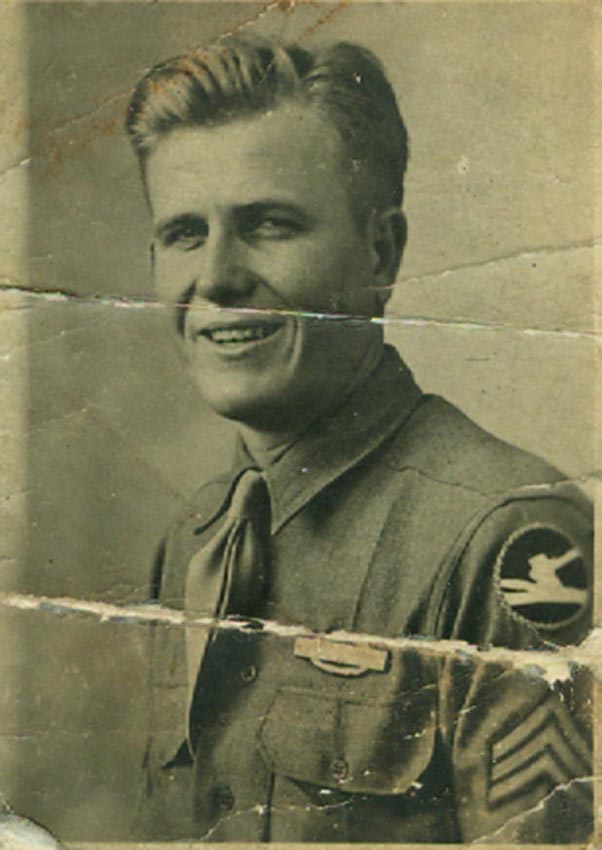
He Wrote Her Every Day by Gail Lindenberg is a true story that warms the heart. Barely married a year, Jim leaves his young wife, the love of his life, and ends up fighting in Europe during the final months of World War II. He experiences a lot of combat and is awarded a Silver Star when he risks his life leading a charge against a Nazi machine gun position.

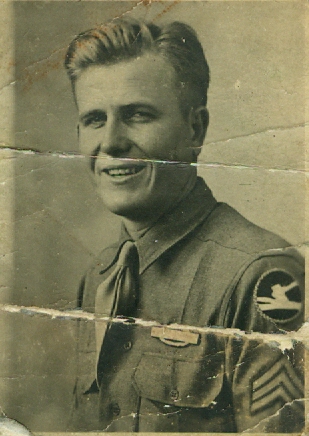
jwh-staff-sargeant-1945James (Jim) William Hendrickson, Jr.

His brother Bill is in a prisoner of war camp somewhere in Germany, and Jim dreams of being the one who liberates him. You will need to read the book to find out what happened to Bill.

Jim also seldom missed a day to write a letter or add to one he was working on. Between being in the field chasing the enemy, on guard duty and/or in combat, he always finds time to write even when everyone else is trying to sleep—even when he is in a filthy, cramped foxhole in freezing winter weather.

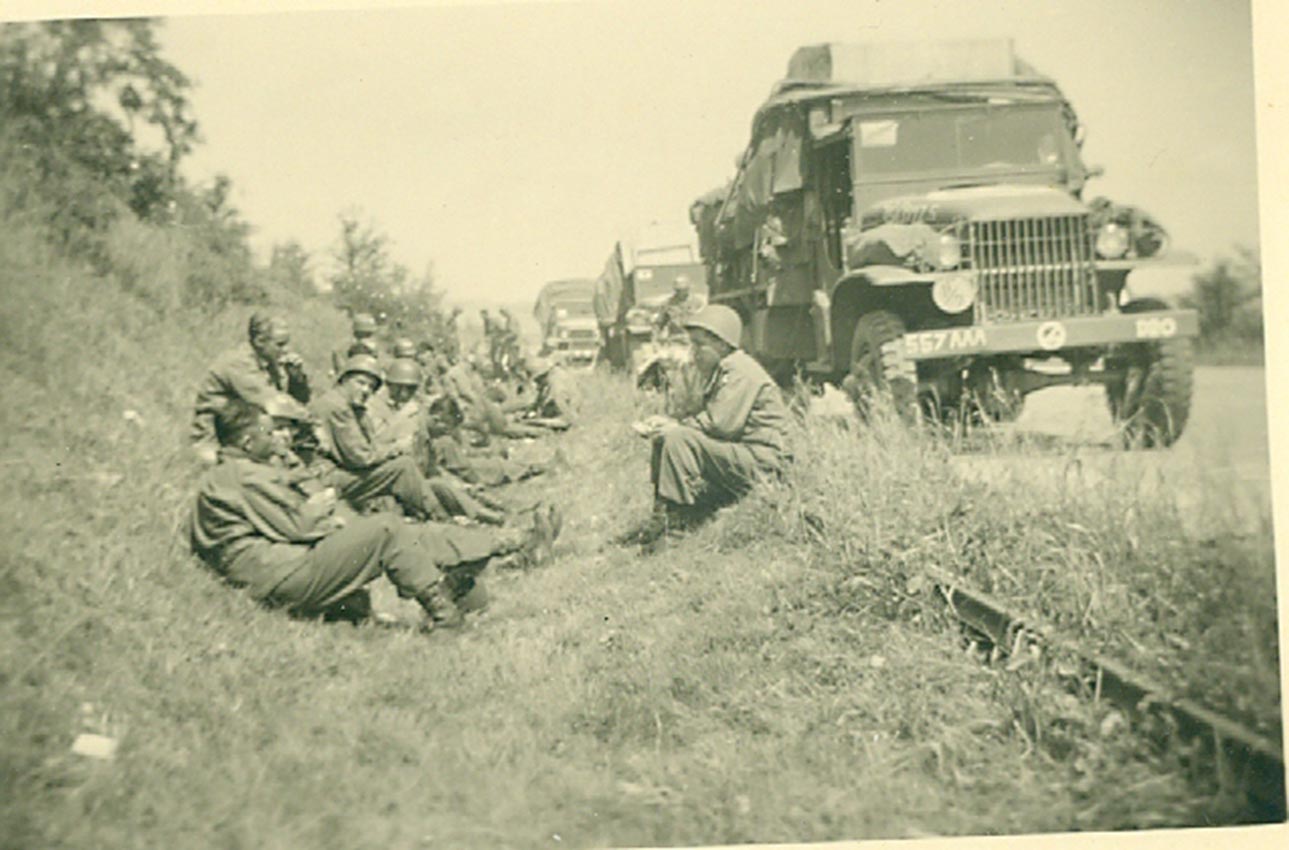
pix-in-germany-eating-ks

somewhere in Germany 1944

I’ve never read a seamless story that grounded me in both the home front and a combat zone like this one did—especially after the war and the long months of waiting in Germany when Jim is anxious to return home but there is one delay after another. I kept turning the pages waiting for that moment when Jim finally made it back home to Arizona, and the conclusion brought a big smile to my face as I remembered the moment when I arrived home from another war.

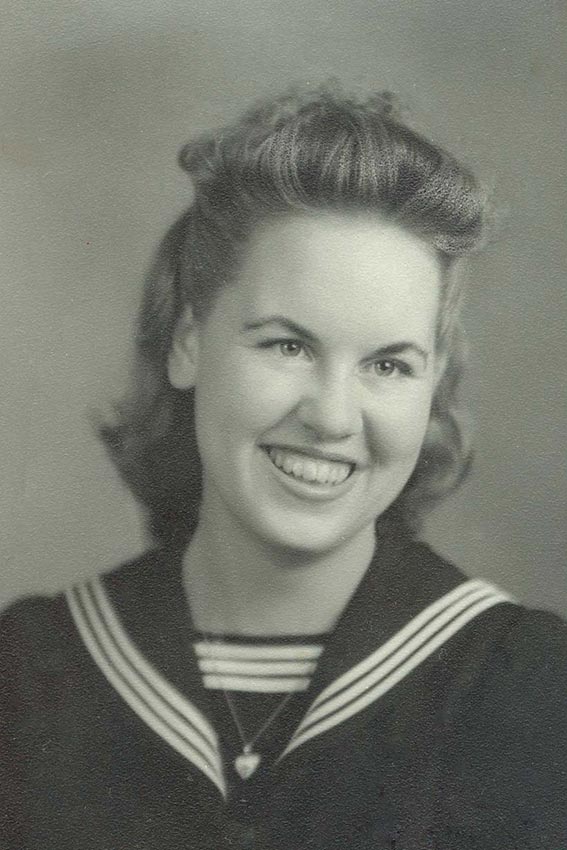
irene-at-190001edit

Irene (Butch) – Jim’s wife and the love of his life

The author sent me a copy of the paperback for my honest review, and don’t miss the rest of the photos you will discover at He Wroter Her Every Day.com. This is a story that was lovingly researched and written by one of his daughters—a wonderful story that immortalizes a father who served his country with courage and honor.

_______________________

Lloyd Lofthouse is a former U.S. Marine and Vietnam Veteran.

His second novel is the award winning love story and suspense-thriller Running with the Enemy. Blamed for a crime he didn’t do while serving in Vietnam, his country considers him a traitor. Ethan Card is a loyal U.S. Marine desperate to prove his innocence or he will never go home again.

Promo Image with Cover Awards

This is a love story that might cost the lovers everything—even their lives.

To follow this Blog via E-mail see upper left-hand column and click on “FOLLOW!”
Capturing the pulse of a nation at the end of an unjust war

While reading Last Plane Out of Saigon, an opinionated but accurate memoir by Richard Pena and John Hagan, I did a lot of reflection and here are some of my thoughts.

During a war, the U.S. government has the power to draft—against their will—recruits who might end up fighting in a just or unjust war. Then there are those Americans who join voluntarily to serve in the military. It’s been 49 years since I served as a volunteer in the U.S. Marine and fought in Vietnam, and for the last several decades, after a lot of research to understand what happened and why the U.S. started that war, I have concluded that the war in Vietnam was wrong and it was based on lies. I think the same about the Iraq War.

There is a big difference between volunteering versus being drafted and forced to serve, and two-thirds of the U.S. troops who served in Vietnam were volunteers and about 70% of those who were killed were also volunteers and 62% of the troops killed were age 21 or younger.

For me, a few weeks before I graduated from High school, I voluntarily surrendered the freedom most Americans take for granted and joined the U.S. Marines on a delayed deferment. In fact, once you join any of the branches of the U.S. military, you leave your free choice behind, and you don’t get it back until after you are honorably discharged. The military is another world with its own courts, hospitals and prisons, and the troops are trained to serve and obey without question. Disobey and a recruit might end up in prison or even executed for the crime of treason.

In the summer of 1965, I was in boot camp at MCRD in San Diego when we heard that the U.S. war in Vietnam was escalating and once we left boot camp every recruit was going to be on his way to fight. That scuttlebutt turned out to be true, and I arrived in Chu Lai, Vietnam, about 90 miles south of Da Nang on March 28, 1966.

About halfway through my combat tour, the first draftees started to arrive, and one was assigned to the communications platoon where I was a field radio operator. To me, and the other Marines in that platoon, it was considered wrong that anyone should be forced to serve in the U.S. Marines and fight in one of America’s wars, and we went out of our way to shelter that draftee.

In Richard Pena and John Hagan’s “Last Plane out of Saigon,” on page 100, Pena wrote something that I agree with: “I submit that the true American patriots are those who see the faults of our country and do not hide from them but instead attempt to rectify them.”

I didn’t always think that way. As a child, I grew up in a totally non-political family, and at the same time I was also being brainwashed by patriotic films disguised as adventures, thrillers and suspense out of Hollywood—for instance, most John Wayne movies. My parents never voted and the one time I asked my father why, he said all politicians were crooks, and it was a waste of time to vote because it wasn’t going to change anything. When I was in college on the GI Bill 1968 – 1973, I would become more aware and today I disagree with my father, because I think that when we don’t vote, the criminals in the White House and Congress get away with their crimes, but active, knowledgeable voters can change that.

To understand the dramatic attitude shift of the Vietnam War in the United States, in August 1965, when I reported to boot camp at MCRD, 62% of Americans agreed with the war. By the time I flew home from Vietnam near the end of December 1966, that number was down to about 52% and dropping. In 1968 when I was honorably discharged from active duty, support for the war was down to 37%, and by 1971, during my third year of college on the GI Bill, support was down to 28%.

“Last Plane Out of Saigon” is Richard Pena’s story, and it roughly captures the nation’s mood at the end of the war. Pena was drafted—forced to fight in a war that was clearly wrong. His book is a journal of what he felt, thought and did in Vietnam where he witnessed the horrors of war working in the operating room of Vietnam’s largest military hospital in Saigon.

I served in Vietnam in 1966 during the buildup. Soon after I left, U.S. troop strength reached about a half-million. But by the time Richard Pena arrived near the end of the war as a draftee in the fall of 1972, U.S. troop strength in Vietnam was down to about 100,000 and dropping.

I think many of American’s troops—both volunteers and draftees—served honorably for mostly honorable reasons, but many of the leaders of the United States who supported the war and sent the troops to fight justified their criminal actions based on lies and deceit.

That leads to a question I have no answer for. How does one serve honorably in a dishonorable war? As for the 5-stars I gave this book, how can I justify loving a book about a dishonorable war? I awarded the 5-stars based on the honesty of the book that revealed the reason why more than 70% of Americans were not allowing themselves to be fooled by the liars who started the war.

_______________________

Lloyd Lofthouse is a former U.S. Marine and Vietnam Veteran.

 Low Def Cover 8 on January 20

His latest novel is the award winning suspense-thriller Running with the Enemy. Blamed for a crime he did not commit while serving in Vietnam, his country considers him a traitor. Ethan Card is a loyal U.S. Marine desperate to prove his innocence or he will never go home again.

And the woman he loves and wants to save was fighting for the other side.

To follow this Blog via E-mail see upper left-hand column and click on “FOLLOW!”
U.S. Troops and the Prostitutes Who Service Them (Viewed as a Single Page)

“The sin we condemn — the sinner … we try to understand.” – Adam Michnik (1946 – )

It has been said that prostitution is the world’s oldest profession. For instance, in 2400 B.C., the Sumerians listed prostitution in one the earliest lists of professions, and the practice of prostitution in ancient Rome was both legal and licensed, and even Roman men of the highest social status were free to engage prostitutes of either sex without incurring moral disapproval. In fact, rent from a brothel was considered a legitimate source of income in the Roman Empire.

In addition, Hammurabi’s Code (1780 B.C.) specifically mentioned the rights of a prostitute or the child of a prostitute.

And in 600 B.C. China, brothels were legal, while in Greece (594 BC) state brothels were founded and a prostitute’s earnings were taxed. Source: Historical Timeline – Prostitution

In fact, historically, “where there are soldiers, there are women who exist for them. In some ways, military prostitution (prostitution catering to, and sometimes organized by, the military) has been so commonplace that people rarely stop to think about how and why it is created, sustained, and incorporated into military life and warfare.” Source: The Asia Pacific Journal

That leads to when I was a 20-year old U.S. Marine in Okinawa on my way to fight in one of America’s endless wars, and I arrived a virgin who desperately didn’t want to be one. And when I left Okinawa for Vietnam, I had achieved a goal that hundreds-of-thousand—and maybe millions—in the US military have achieved both during peace time and war.

When I joined the US Marines, I was a high school graduate and an avid reader of science fiction and fantasy. I was not an intellectual—instead, I was a walking libido filled to overflowing with testosterone like so many of my fellow Marines.

I turned twenty-one in Vietnam, and up to that time Vietnam veterans were the best educated force the United States has ever sent into combat—79% had a high school education or better. Two-thirds of the men who served in Vietnam were volunteers, and 86 percent of those who died in Vietnam were Caucasians, 12.5% were black, and 1.2% were from other ethnic/racial groups.

If I had gone straight to Vietnam instead of spending a few weeks in Okinawa for additional training, I could have died a virgin—having never known what it was like to be sexually intimate with a woman.

And that reminds me of Mrs. Henderson Presents staring Judi Dench as Mrs. Laura Henderson who opens a theater in London during World War Two with an all-nude female review for the allied troops, because her son had died in combat a virgin, and she didn’t want these young men to die without having at least seen a young, nude woman at least once.

Before I shipped out to Vietnam, I never received any classes, lectures, in services or workshops on Southeast Asian culture and at that age—without a college education—I wasn’t curious or interested.

We were US Marines trained to kill. We weren’t there to study the culture. The only workshop I remember was one on how to avoid getting an STD and how dangerous one strain of syphilis/gonorrhea was in Vietnam.

We were told that if we were careless with a Vietnamese woman, it could be a very painful death sentence from a viral form of an STD that no drugs could cure.

In fact, I didn’t know anyone in my unit who expressed the slightest bit of interest in Vietnam’s culture or history. When we went on five days of R&R during our tour of combat—for example to Hong Kong, Thailand, Okinawa, Japan, or the Philippians—most of us were interested in only one thing: getting drunk and getting laid.

And the hundreds of thousands of US troops who felt the same way were not alone in history.

“According to Beth Bailey and David Farber, during the Second World War a large number of prostitutes in Hawaii, each servicing upward of 100 men a day, made a fiscal killing. Shackjobs, or long-term, paid relationships with women of Hawaiian or Filipino descent were also common among military personnel stationed in Hawaii (as they were later in Vietnam).”

And “during the war in Indochina, U.S. Senator J. William Fulbright and Sunday Times of London correspondent Murray Sayle maintained, independently of one another, that U.S. forces in South Vietnam had turned Saigon into a “brothel”—a reference to the estimated 500,000 Vietnamese prostitutes who served an approximately equal number of GI’s. John Brown University

“There were 20,000 prostitutes in Thailand in 1957; by 1964, after the United States established seven bases in the country, that number had skyrocketed to 400,000.” Prostitution in Thailand and Southeast Asia

“At the height of the US presence in the Philippines, for example, more than 60,000 women and children were employed in bars, night clubs and massage parlors around the Subic Bay and Clark Naval bases alone. Estimates of the total numbers of Filipina women and girls engaged in prostitution and other sex-based industries range between 300,000 and 600,000.” PeaceNews.info – Command and control: the economies of militarized prostitution

And if you think times have changed, read this: “As recently as 2002, a brothel in Australia closed their doors when a group of 5,500 U.S. Sailors coming back from a war zone stopped off in Australia. From the article: Mary-Anne Kenworthy said she was forced to close the doors of her famous Langtrees brothel for only the third time ever yesterday because her prostitutes were so worn out they could no longer provide a quality service.” Cause of Liberty – Prostitution

Do you condemn those who sinned—if it was a sin—or is it wrong to send a young virgin off to possibly die for his country while denying him the pleasure of a woman even if a prostitute was his only choice? What do you think?

_______________________
Lloyd Lofthouse is a former U.S. Marine and Vietnam Veteran.

image

Where to Buy

To follow this Blog via E-mail see upper left-hand column and click on “FOLLOW!”
Saving Art Treasures from the Nasty Nazis

I listened to the abridged audio version of The Monuments Men and learned something I didn’t know about World War II—something that has only happened once in history where a dedicated military team was organized [thanks to President F. D. Roosevelt] by the allies in World War II to save as much of the art looted by the Nazis as possible.

I first heard of The Monuments Men at the theater during all those [soon-to-appear] movie trailers before you get to watch the film you paid to see. Because I usually see a film at the local theater at least once a week, I’ve seen The Monuments Men trailer a number of times, and I admit that I’m eager to see the film.

Overview lifted from Barnes and Noble

“At the same time Adolf Hitler was attempting to take over the western world, his armies were methodically seeking and hoarding the finest art treasures in Europe. The Fuehrer had begun cataloguing the art he planned to collect as well as the art he would destroy: ‘degenerate’ works he despised.

“In a race against time, behind enemy lines, often unarmed, a special force of American and British museum directors, curators, art historians, and others, called the Monuments Men, risked their lives scouring Europe to prevent the destruction of thousands of years of culture. Focusing on the eleven-month period between D-Day and V-E Day, this fascinating account follows six Monuments Men and their impossible mission to save the world’s great art from the Nazis.” (Barnes and Noble: Overview)

The film is scheduled to release February 7, 2014. Thanks to Costco—where I bought the audio book—I ended up listening to the book first. As I was listening, I thought I’d be ready to recognize when Hollywood’s version drifted from the facts—but maybe not. In case you didn’t know, Hollywood’s famous for revising history and true stories.

When I bought the CD’s at Costco, I had no idea it was an abridged version only 7.5 hours long. I usually avoid abridged versions but the fact that it was abridged wasn’t printed anywhere I could easily find. Publishers must know this and they are getting tricky just like Monsanto wants to hide the fact that the food we eat might be genetically modified by them. (Truth-Out.org)

I wanted to know how much I may have missed and discovered that audiobooks usually run 150-160 words per minute, the range people comfortably hear and vocalize words. I then dragged a few hardcover books off the bookshelf and came up with about 400 words a page. That means the 512 page Monuments Men hardcover probably has at least 205,000 words—equal to about 21 hours for an audio book.

Wow, that was a lot of story to miss out on, and I was disappointed.

But I did listen to the 7.5 hours and still enjoyed the story. The only full length audio version I found was sold by Barnes & Noble.

I guess it depends on what you want. If you’re willing to settle for the abridged audio version and miss two-thirds of the story, it’s probably worth the cost.

The full-length audio version at Barnes & Noble.com was listed at $19.08 when I checked (with a 17% price reduction from the original $22.99). I checked Amazon and they’re asking $6.89 for the Kindle; $22.37 for the Hardcover and $9.85 for the paperback.

_______________________

Lloyd Lofthouse is a former U.S. Marine and Vietnam Veteran.

His latest novel is the award winning suspense-thriller Running with the Enemy. Blamed for a crime he did not commit while serving in Vietnam, his country considers him a traitor. Ethan Card is a loyal U.S. Marine desperate to prove his innocence or he will never go home again.

And the woman he loves and wants to save was fighting for the other side.

To follow this Blog via E-mail see upper left-hand column and click on “FOLLOW!”
 

Rewriting history, literature and film to fit Popular Political Correctness

In the early 1980s, I was working toward an MFA and one of my courses was a self-directed project monitored by a faculty adviser. The project was my memoir of fighting in the Vietnam War. A few years after completing the memoir, I took it to UCLA Extension’s Writers’ Program where the professor convinced me to convert it into fiction—a suspense thriller. The professor was a woman, who later helped find a literary agent to represent my novel.

I spent several years in the program with her as my advisor, and the final product after endless revisions and feedback from the professor and other authors in the program was “Running with the Enemy”. It was fiction but true to my experience of war and its horror.

Fast forward to publication and then June 11, 2013 when a reviewer by the name of “S” posted a 2-star review on Amazon—a review I’m actually proud of.

S concluded her review with:  “I was sucked in by the nitty gritty feng shui of the book, then repelled by the over use of sexual violence and testosterone dousing. Even though the ending was predictable, I still liked that the good guys won and the bad guys lost. However, the limited roles by the female characters left me feeling that half the story still lies buried and voiceless.”

I’m proud of that 2-star review because the book I wrote was about the war I fought in—not the story S wanted me to write that would have been a lie. In the 1960s, the only American women who served in Vietnam that I knew of were nurses and they did not serve in combat units. There were no women in my battalion.  Not one.

What I think S wanted was to see women kicking the shit out of men and beating the men at war. But that wasn’t my Vietnam. Tuyen, the only major woman character in the novel—the others were minor characters—was a half breed, a Eurasian, who had been sexually and physically abused by her half-brother since she had been a young girl.

If you have ever seen the film or the stage play of “Miss Saigon”, you might understand how women are still treated today in Southeast Asia and when that woman was a Eurasian like Tuyen, the treatment was worse, and the term for her was Bụi đời, the “dust of life”.

In fact, “Life was frequently difficult for such Amerasians [and Eurasians]; they existed as pariahs in Vietnamese society. Often, they would be persecuted by the communist government and sometimes even sold into prostitution as children.” [Benge, Michael (22 November 2005). “The Living Hell of Amerasians”. Front Page Magazine]

I think what “S” wanted from me as an author was to write a story that would fit a world she wanted—one that didn’t exist in my world.  She wanted a kick-ass female character.

The latest example of this popular political correctness demanding that history and literature be rewritten may be found in the film “The Hobbit: The Desolation of Smaug”. Tauriel is a female elf who is a kick ass super warrior. The problem is that in the original Hobbit written by J. R. R. Tolkien, there are no major women characters and another fire-breathing modern day feminist—another S—also wanted the plot of this novel rewritten when made into film.

This revisionist was Nicole Lyn Pesce writing for the New York Daily News who said, “The women’s rights movement has made it to Middle-earth. The first ‘Hobbit’ film was criticized by some—like me—for its testosterone-heavy cast, so director Peter Jackson has brought in a kick-ass chick for the sequel.”

Does this mean we should rewrite history due to a modern, popular, political-correct movement? I don’t think so.

My novel was a man’s story just like “The Hobbit” was written by a man. In fact, you may want to read an essay about how J.R.R. Tolkien’s service in the British Army during World War I may have influenced his fiction. [JRR Tolkien and World War I by Nancy Marie Ott]

If Tolkien were alive today, would modern feminists be criticizing him for not including kick-ass women warriors in his novels, who didn’t exist in his day as they didn’t exist in mine?

I have news for “S”. If she had read my novel to the end, she would have discovered Tuyen kicking some serious male ass in the Golden Triangle near the conclusion of the novel. In that scene, Tuyen is so violent she even shocks the kick-ass recon Marine who loves her. Maybe Tuyen just didn’t kick enough male asses to satisfy S or someone like Nicole Lyn Pesce.

Here’s a bit of advice for today’s modern day feminists. Don’t wish for something you know little to nothing about. Take it from someone who has seen war up close and personal, you really don’t want to go there. If men are willing to go to war and die to protect women from that horror, let them.

_______________________

Lloyd Lofthouse is a former U.S. Marine and Vietnam Veteran.

His latest novel is the award winning suspense-thriller Running with the Enemy. Blamed for a crime he did not commit while serving in Vietnam, his country considers him a traitor. Ethan Card is a loyal U.S. Marine desperate to prove his innocence or he will never go home again.

And the woman he loves and wants to save was fighting for the other side.

To follow this Blog via E-mail see upper left-hand column and click on “FOLLOW!”
 

What has America accomplished as the world’s so-called cop?

To research this topic, I Googled “history of America’s role as global policeman”, and ended with 433-million hits in a third of a second.

I’m going to list the first five:

Americans Tire of ‘World Police’ Role

Syria: The end of America’s role as global cop?

Should America Be the World’s Policeman?

Should America withdraw as the world “Police/peace keepers”?

What if U.S. stops policing the world?

I didn’t read the posts, because I was more interested in rating America’s performance as the self-proclaimed world’s police force?  To do that, I compiled a death count from all the wars, civil wars, revolutions, and genocides since the end of World War II, and I’m sure it is an incomplete list.

It was difficult to come up with a precise number so there are two numbers and the actual number of deaths could be anywhere between the low and high estimates.

1945 – 1950: The expulsion of Germans after World War II was called a population transfer but in reality it turned out to be an ethnic cleansing. The death count was 500 thousand – 3 million

1950 – 1953: Korean War. The death count 400 thousand – 4.5 million

1955 – 1975: Vietnam War. The death count was 800 thousand – 3 million

1965 – 66: Indonesian massacre of anyone connected to the Indonesian Communist Party. The Death count was 100 thousand to 2 million.

1967 – 1970: Nigerian Civil War and genocide. The death count was 1 – 3 million

1971: Bangladesh genocide. The death count was 26,000 – 3 million

1975 – 1979: Cambodian Genocide. The death count was 1 – 3 million; another 800 to 950 thousand died of starvation. The only reason this tragedy ended was because Communist Vietnam invaded and stopped the insanity. Where was the United States? Why did it take one communist country to stop another one from slaughtering its own people?

1975 – 80: Operation Condor in South America was a campaign of political repression by right-wing dictatorships sponsored by the United States. The death count was 50 – 80 thousand.

1979 to Present: Afghan Civil War. The death count is 1.5 – 2 million

1980 – 1988: Soviet War in Afghanistan. The death count was 600 thousand – 2 million

1980 – 1988: Iran–Iraq War. The death count was 500 thousand – 2 million

1983 – 85: Famine in Ethiopia. The death count was 400 thousand – 1 million

1990 – 98: Sanctions against Iraq imposed by the United Nations Security Council that caused excess deaths of young children 175 – 576 thousand

1994: Rwandan genocide death count 500 thousand – 1 million

1998 – 2003: Second Congo War’s death count 2.5 – 5.4 million dead

1998: Sudan famine. Death count was 70,000

After I compiled the list, I thought, what exactly has the United States accomplished to bring about world peace and save lives as the world’s so-called cop? Maybe the world would have been better off if the United States had stayed home and saved a few trillion dollars.

If you want to know how much the United States spends as the world’s so-called cop, visit data360.org to discover that answer, but you may have to spend an hour or so adding it all up. I wanted to find one number but could only find annual lists.

Last year, the world’s top 15 military spenders spent $1.753 Trillion combined, but 39% of that was the United States. The People’s Republic of China was number two at only 9.5% of the total. I found this information from a List of countries by military expenditures on Wiki.

I think that if a real cop in the United States had a similar record, they would be suspended from active duty followed by an investigation and then—for sure—a trial.

Do you think the citizens of the United States should vote in the next Presidential election on America continuing its job as the world’s so-called cop? After all, every American who pays taxes is footing the bill so shouldn’t all the citizens of a democracy have a say?

And of course this brings up another question: Is the United States really a democracy?

_______________________

Lloyd Lofthouse is a former U.S. Marine and Vietnam Veteran.

His latest novel is the award winning suspense-thriller Running with the Enemy. Blamed for a crime he did not commit while serving in Vietnam, his country considers him a traitor. Ethan Card is a loyal U.S. Marine desperate to prove his innocence or he will never go home again.

And the woman he loves and wants to save was fighting for the other side.

To follow this Blog via E-mail see upper left-hand column and click on “FOLLOW!”
Q & A with Gail Lindenberg, the author of “He Wrote Her Every Day”

1. Q:  What made you decide to write a war novel?

A:  It certainly wasn’t my original plan.  When I retired from teaching, I had no intention of writing anything.  But when my mother handed me those letters, the book took shape quickly.  I still feel as though my father is the real author of the book. It’s as though he stood over my shoulder the entire time.

2. Q:  Is this a novel?  You never refer to it as such.

A:  I call it a “book” because it defies easy categorization.  The genre would have to be “historical novel,” and yet that doesn’t quite work for me either.  Dad’s letters are primary witness accounts of events as they happened.  My mother’s interviews are her own memories, filtered by time and my reporting of what she said.  The back-story of the war experiences is my fictional version of what I read in the letters and remember from my father’s stories. 

3. Q:  Did you have any other books to serve as a model for your writing?

A:  Yes, but they were not war novels. I have never been interested in reading books about war time and my lack of depth in this area was a major weakness when I began.  Margaret Atwood wrote a book called ALIAS GRACE.  It is historical fiction and tells the story of a woman by using articles and public records about her.  Her book made me realize that this book of Dad’s would actually work as a genre of literature. I was encouraged by her pattern of including original documents, her own research, and a back-story that, while it might not have happened, was entirely plausible.  Just because it didn’t happen exactly as written does not mean that it isn’t true.


Staff Sergeant James William Hendrickson, Jr. 1945

4. Q:  How long did it take you to complete the book?

A:  I started scanning the letters at Christmas time in 2010.  I read the letters as I scanned, and the idea for the story took root over the next few months..  I began the actual writing four months later.  My goal was to complete the book in time for my Mother’s ninetieth birthday on December 8, 2012.  Then I received a diagnosis of cancer.  Surgery, chemo, and radiation treatment began in August of 2012.  I printed a “rough draft” which was a hard-cover family version.  Only twenty copies came off the press.  Once I had recovered my faculties, such as they are, post chemo, I edited the book with the help of my Writer’s Workshop group.  The book has been up on Amazon as a Trade Paperback and e-version since September of 2013.

5. Q:  Your mother is a character in the book. What was your mother’s reaction to the story?

A:  She says she feels like quite the celebrity.  The book has received a very positive response, and she has heard from people from her home town as well as relatives and friends.  She did say that she thought I was too hard on Grandma Hendrickson.  And every time she reads a section through again, we have a conversation about that during our phone time. I still phone her every Saturday morning.  She always tells me that my father would be very proud to read it…and we both laugh.  We can see him shaking his head to think that his letters would be available to the world to read.

6. Q:  How do you think your father would react to the book?

A:  I can only hope that he would feel like it was a true depiction of who he was and who the men were who fought alongside him.  Dad’s life was one of sacrifice for others.  I think this is true of most men who serve their country, but especially so for the boys who fought in World War II out of conviction for a cause and a sense of duty.  Dad wanted to bring his brother back from PW camp.  He wanted to right a wrong.  He lived his life by those convictions.

7. Q:  Would you characterize this book as a romance more than a war novel?

A:  I never saw it as a romance.  These were just my parents.  It was only after reading it aloud, six pages at a time, to my editing group that I had any sense at all that it would be perceived as such.  One woman said, “Gail, I have fallen in love with your father.” 

I do think that the history piece and the war story he tells might fall into the category of edging on being anti-war.  But I have a strong notion that most men who go to war would like to be certain that their children will not have to.  Dad’s idea was that this would be the war to end all wars. 

The answer to your question should probably be that the book will be seen by the reader as they wish to view it.  There are two history teachers I know of who are using the web site for the book with lesson plans to provide a research source for studies of WWII.  And there are women who read it just to enjoy the story line provided by the strong relationship my parents were able to forge in war time.

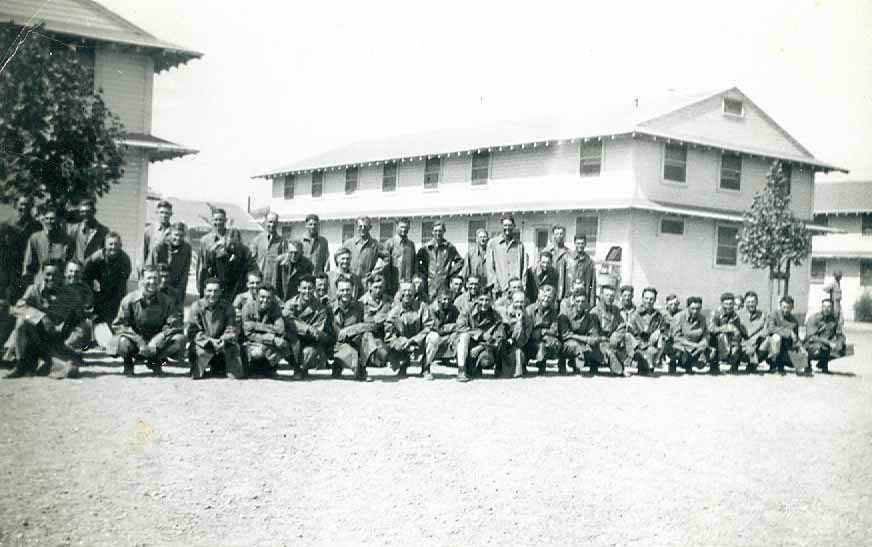
Camp Roberts and Burbank visits 'Jim's in there somewhere'

Camp Roberts, Burbank, California

8. Q:  The link to your web site is included as a section in the book.  Why is that?

A:  When I wrote the first version, I scanned all the letters, pictures, etc. and copied them to a thumb drive for my family.  As I was editing the final book, I realized that the graphics would make the book far too expensive for printing.  Also, folks who read it before publication were, for the most part, interested in the letters.  So I decided to set up a web site where people could go and find every letter, document, and photograph Mom saved from those two years of war time.  HeWroteHerEveryDay.com is up and running for those who are interested.

9. Q:  What kind of response have you gotten from people who have read your book?  You mention that the response has been largely positive.  Any negatives?

A:  Yes, the response has been warm and generous.  But then, the people who know me would probably not tell me if they didn’t like it. 

Many people who read the advance manuscript wanted to know more about Dad after he got home.  So the published version has a brief epilogue that outlines Dad’s life post war. 

I did have one relative who wasn’t happy about a small anecdote in the book about someone on my mother’s side of the family.  That surprised me, because the story is primarily about my father and the Arizona Hendricksons.  But that was the only sour note in the symphony…at least so far.

10. Q:  Will there be a sequel? 

A:  I honestly don’t think so.  This book was unique in that it was driven by real events that were already written about by the subject of the book, my father.  I am too close to the years following Dad’s war service. That was my childhood and I was his first baby since the twins were 5 months old by the time he got home. I would not know where to begin. 

And, after all, the whole point of the book is that my father was just an ordinary man who lived through extraordinary times.  He was sent to war. They didn’t just hold the Germans off; they turned the tide of the war.   Dad wasn’t expected to survive, but he—and so many thousands of others—did survive.  And they came home to America and lived ordinary lives.  While that story might not make a good sequel to this book, it certainly made a good life for me and those of my generation.  It’s a legacy that I hope we will be able to pass along to our children.

Return to or Start with He Wrote Her Everyday, a review by World War II Vet and author Allan Wilford Howerton

_______________________

Lloyd Lofthouse, this blog’s host, is a former U.S. Marine and Vietnam Veteran.

His latest novel is the award winning suspense-thriller Running with the Enemy. Blamed for a crime he did not commit while serving in Vietnam, his country considers him a traitor. Ethan Card is a loyal U.S. Marine desperate to prove his innocence or he will never go home again.

And the woman he loves and wants to save was fighting for the other side.

To follow this Blog via E-mail see upper left-hand column and click on “FOLLOW!”
Semper Fi and Popcorn

Semper Fi is Latin for “always faithful” and it is the motto of the United States Marine Corps— faithful to God, Country, Family and the Corps. The Urban Dictionary says it wasn’t always this way. Up until 1871, the motto was “First to fight”—a motto that still applies.

Every U.S. Marine knows that Semper Fi is the universal Marine greeting.

Recently I had a reason to explain this motto to my wife when she asked me if I wanted her to share something from me to General John R. Allen when she attended The Daily Beast’s Hero Summit on October 10—my wife was invited to be on the same panel at the summit with General Allen; David Brooks, the columnist for the New York Times who has written so often about moral standards and imperatives, and Nigerian novelist and Nobel laureate Wole Soyinka.

I said to my wife, “Say two words to General Allen, Semper Fi.”

“What does that mean?” she asked. “What if he doesn’t know what it means?”

“It’s Latin for always faithful,” I replied. “And trust me, General Allen will know what those two words means. If you look at the Marine Corps emblem, you will see it on a flag flying above the American Eagle.”

As for popcorn, I couldn’t resist adding popcorn to this post because right before I sat down to write, my wife made some in the microwave and then went to see a movie at the local theater. I stayed to write this post.

The smell of fresh-popped corn filled the house and I couldn’t resist filling my own bowl with this American treat. Believe me when I say that popcorn is as American as the flag, mom and apple pie, because the History of Popcorn clearly establishes that it originated in the Americas. And the popularity of popcorn as we eat it today started in Iowa in the 1880s.

I made my bowl with two scoops of Orville Redenbacher’s gourmet popping corn poured in a lunch-sized paper bag; two minutes on high in the microwave; a dash of California Branch Garlic Oil made with Extra Virgin Olive Oil; a second dash of 100% Pure Chosen Foods Avocado Oil, and a third dash of Himalayan Pink Salt, referred to as the purest salt in the world. Then I started eating as I wrote this post about Semper Fi.  [Note: all the ingredients for the popcorn came from Costco, an American company.]

The United States Marine Corps celebrates its birthday on November 10 because on that day, a decree of the Second Continental Congress led to the Marine Corps first official recruiting drive in the Tun Tavern in Philadelphia, Pennsylvania—some argue that the recruiting may have started unofficially before November 10, 1775.

I wonder what kind of beer the first Marines in 1775 drank at the Tun Tavern.

Did you know there is a Founding Fathers Lager Beer listed along with forty-nine other brands that made the list of The 50 Most Patriotic Beers in America?

Too bad the best beer I have ever sipped, St. Bernardus Abt 12 [a product of Belgium], doesn’t qualify.

I guess I should have called this post, Simper Fi, Popcorn and Beer. After all, a cold beer goes great with salty snacks, and I drank my first beer when I was still on active duty in the U.S. Marines back in the 1960s during a brief stay in Okinawa before shipping out to fight in Vietnam.

Do you think a chilled-bottle of beer and a salty-bowl of popcorn would be a good way to celebrate the Marine Corps birthday?

_______________________

Lloyd Lofthouse is a former U.S. Marine and Vietnam Veteran.

His latest novel is the award winning suspense-thriller Running with the Enemy. Blamed for a crime he did not commit while serving in Vietnam, his country considers him a traitor. Ethan Card is a loyal U.S. Marine desperate to prove his innocence or he will never go home again.

And the woman he loves and wants to save was fighting for the other side.

To follow this Blog via E-mail see upper left-hand column and click on “FOLLOW!”


Sun Tzu’s “The Art of War”: part 10 of 10

On the third day of Gettysburg during Picket’s charge up another hill, only 5,000 survived of 12,000 troops.  Sun Tzu would have been horrified.

Sun Tzu says, “When troops flee, are insubordinate, collapse or are routed in battle, it is the fault of the general.”

Sun Tzu sees a commanding general as someone intelligent and cunning and never rash or arrogant, which is the opposite of the commander of the Chu army more than two thousand years ago.

Sun Tzu won the war against Chu, which had an army ten times larger than his. He did this through preparation, deception and indirect attacks.

After winning the war against Chu, Sun Tzu retires and writes The Art of War.

The first line of Sun Tzu’s rules of war says, “War is a matter of vital importance to the State. It is a matter of life and death, survival or ruin.

Return to Sun Tzu’s “The Art of War”: Part 9 or start with Part 1

View as Single Page

_______________________

Lloyd Lofthouse is a former U.S. Marine and Vietnam Veteran.

His latest novel is the award winning suspense-thriller Running with the Enemy. Blamed for a crime he did not commit while serving in Vietnam, his country considers him a traitor. Ethan Card is a loyal U.S. Marine desperate to prove his innocence or he will never go home again.

And the woman he loves and wants to save was fighting for the other side.

To follow this Blog via E-mail see upper left-hand column and click on “FOLLOW!”